
People often imagine Discord as a cosy digital corner filled with gamers, students, and close friends chatting about hobbies. But over time, some individuals have started using this platform for conversations that drift into secrecy and emotional distance.
The question many people quietly ask is whether Discord is becoming a tool for cheating. Not just cheating in the romantic sense, but emotional disconnects, private messaging patterns, and the type of secrecy that creates confusion and hurt.
Discord becomes a comfortable escape and that is where lines can blur. The goal is to tell about the subtle signals, emotional reasons, behavioural changes, and real world patterns behind Discord being used in ways that harm trust in relationships. Nothing here is generic. It is built around real emotional experiences that people commonly share but rarely articulate out loud.
Is Discord Used For Cheating?
The uncomfortable truth is that Discord can be used for cheating, not because the platform is meant for it, but because it provides an environment that allows emotional closeness to develop quietly. Cheating today is no longer limited to physical contact.
Emotional intimacy, secret attachments, and hidden conversations also create similar damage. Discord offers private messages, voice channels, and long late night conversations that people often underestimate.
People who use Discord for cheating usually do not plan it. The connection grows slowly through friendly chats, shared hobbies, and digital comfort. Over time, it shifts into secrecy. Messages get deleted. Notifications get muted. Screens get tilted away.
Private Messaging Spaces And Distance Slowly Builds:
When someone starts using private messages on Discord more frequently, the shift can feel harmless. The platform encourages longer conversations because there are no character limits, no awkward thread breaks, and plenty of room for personalised chats. People can talk late into the night while playing games, studying together, or just venting about their day. Over time, the emotional intimacy created inside these private rooms can begin replacing the intimacy at home.
Points to understand this better:
- Private rooms create a bubble like feeling where two people feel oddly connected.
- Conversations become deeper because there is no pressure to meet physically.
- People share frustrations more easily with strangers or acquaintances.
- Emotional closeness grows without either person noticing how quickly it forms.
- Once emotional dependency forms, the relationship outside the app weakens.
Why Discord Feels Like A Safe Escape For Secret Interactions?
Some people do not set out to cheat. They are simply craving a space where they can be heard without judgment. Discord unintentionally becomes that safe escape. There are no awkward pauses, no pressure to respond immediately, and no real world accountability. It feels smoother, lighter, and emotionally safer than difficult conversations at home.
People who feel misunderstood or unnoticed find themselves opening up more freely on digital platforms. The anonymity, the usernames, the distance, and the comforting environment all create a sense of emotional relaxation.
This leads to relationships that start as casual and slowly become emotionally significant. There is nothing accidental about emotional bonding. It grows through repeated connection.
Signs Someone May Be Forming Secret Attachments On Discord:
Because Discord conversations happen silently, detecting emotional distance becomes harder. The behavioural patterns are subtle at first but become clearer with time. These signs are not meant to start suspicion but to explain common emotional behaviours people report in unhealthy dynamics.
Signs that often appear:
- They suddenly become protective of their phone or laptop.
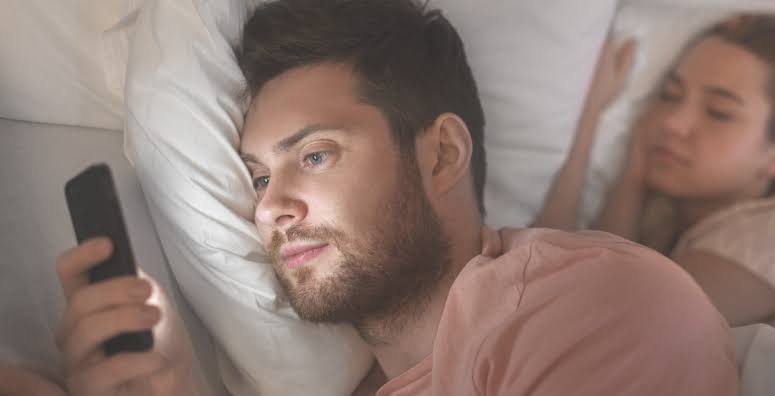
- They lower the brightness or tilt their screen away from view.
- They stay awake longer claiming they are gaming or studying.
- They leave during conversations to reply to someone online.
- They minimize windows quickly when someone walks near them.
- They suddenly care more about profile pictures or display names.
- They start discussing someone from Discord more often.
- They pull away emotionally even when physically present.
These behaviours do not prove cheating, but they do show an emotional shift that deserves communication.
How Gaming Channels Can Turn Into Emotional Connections?
Gaming feels innocent. People connect over shared wins, losses, jokes, strategies, and long hours of teamwork. But gaming also builds trust faster than normal conversations. Shared excitement, shared frustration, and shared wins bring people closer without realising it is happening.
In gaming communities, people tend to reveal their authentic personalities. They laugh naturally, express disappointment openly, and build inside jokes quickly. These shared emotional moments strengthen bonds and create closeness that sometimes crosses lines unknowingly.
How this emotional bonding forms inside gaming spaces:
- Long sessions allow conversations to go deeper.
- Team coordination creates a sense of partnership.
- Repeated interactions mimic real relationships.
- Emotional stress in games triggers supportive behaviours.
- Compliments and encouragement create intimacy.
This does not make gaming wrong. It simply explains how emotional cheating grows quietly through daily interactions.
When Secrecy Becomes The Real Problem Not The Platform?
Relationships rarely break because of Discord. They break because of secrecy, avoidance, emotional distance, and hidden attachments. When someone hides messages, deletes chats, or denies how close they are to a particular person online, the emotional damage begins.
Some people also justify their actions because they are not meeting the person in real life. They tell themselves it is harmless. But emotional cheating is often more painful because it involves genuine feelings, attachment, and emotional investment.
A relationship suffers most when one person begins protecting an online bond more than their actual partner. That is the moment when secrecy becomes the real wound.
How Discord Encourages Deeper Conversations Without Intent?
Discord makes talking easy. You can switch between text, voice, and video whenever you want. You can share screens, watch movies together, collaborate on work, or listen to music at the same time. These shared experiences create a level of bonding that feels natural.
Ways deeper conversations take shape:
- Voice chats feel intimate because they mimic late night phone calls.
- Screen sharing feels personal and builds trust quickly.
- Shared hobbies create emotional familiarity.
- Private servers offer comfort without judgment.
Users begin relying on someone they barely know because the environment is so emotionally open. This is not intentional cheating. It is an emotional drift created by digital closeness.
This is how emotional boundaries get blurred inside platforms meant for fun and connection.
Healthy Ways To Protect Relationships While Using Discord:
Discord does not need to be removed from life. What matters is how it is used. Healthy boundaries protect relationships while allowing people to enjoy digital communities.
Healthy practices include:
- Letting your partner know about your online friends.
- Being open about the servers you spend time in.
- Avoiding deep private chats with people who create emotional comfort.
- Setting time limits so digital life does not overpower real life.
- Discussing openly when a conversation makes you uncomfortable.
- Being transparent about new friendships. Avoiding late night chats that feel intimate.
- Creating shared digital spaces with your partner when possible.
- Boundaries bring clarity and reduce the emotional confusion that often leads to cheating.
Why Blaming Discord Does Not Solve The Real Issue?
It is easy to point fingers at the app and say Discord is dangerous. But the platform itself does not create cheating behaviour. It is simply a communication tool. The real issue lies within unmet needs, loneliness, emotional friction, or curiosity that goes unchecked.
People hurt each other when emotional honesty fades. They drift. They hide. They seek validation elsewhere. That emotional vacuum often pushes them toward platforms that feel welcoming and easy.
The solution is not deleting Discord. It is strengthening communication, building emotional safety at home, and addressing relationship gaps before they turn into secrecy.
Conclusion:
Discord does not cause cheating, but it can become a silent space where emotional connections grow unnoticed. The small habits of secrecy, the excitement of new conversations, and the emotional ease of digital bonding all create a pathway toward actions that damage trust.
Understanding this behaviour helps couples communicate better and build stronger boundaries. When honesty and openness exist, Discord remains just a platform, not a threat. The healthier the relationship, the less room there is for emotional drift.
Frequently Asked Questions:
Yes, not because the platform encourages cheating but because hidden emotional connections can grow quickly on private chats, gaming sessions, and late night conversations.
It depends on the intention and secrecy involved. Emotional closeness, secrecy, and prioritising online connections over a partner can count as emotional cheating.
Because it feels safe, comfortable, and private. Many people feel heard and validated on Discord more than they do offline.
By practising openness, sharing online activities, and setting healthy boundaries while using the app.
Not necessarily. The issue is human behaviour and communication, not the app. Clear boundaries and honesty are much more effective than deleting platforms.

Hi, I’m Lauren, part of the team at Devika AI! We’re all about changing how smart computers work. Our aim is to make AI simple for everyone, whether you’re a big company or just someone with a cool idea. We’re passionate about finding new ways for AI to help businesses grow and for people to get creative. Whether it’s making things run smoother or discovering new stuff, we’re here to make sure AI works for you. Come join us as we make tech work better for everyone!